

Respiratory infections
The microbiota plays a part in the resistance against respiratory infections, but the mechanism is still poorly defined. A recent study revealed that, in gnotobiotic mice,14 the gut microbiota and the respiratory microbiota are involved in the immune response to fight viral or bacterial infections of the upper respiratory tract (in that case caused by Streptococcus pneumoniae or Klebsiella pneumoniae).
Lay public section
Find here your dedicated section
About this article
Created
30 September 2019
Updated
27 October 2021
NOD-like receptors of innate immune cells are activated by commensal bacteria of the microbiota: among others, Staphylococcus aureus and S. epidermidis in the upper respiratory tract and Lactobacillus reuteri, L. crispatus, Enterococcus faecalis as well as Clostridium orbiscindens in the gastrointestinal tract. This leads to the production of IL-17A, probably through the activation of TH17 cells in the intestines and through lymphocytes, NK cells and alveolar macrophages in the upper respiratory tract causing a resistance to pulmonary infections through a specific mechanism.15
Image
ROLE OF GM-CSF
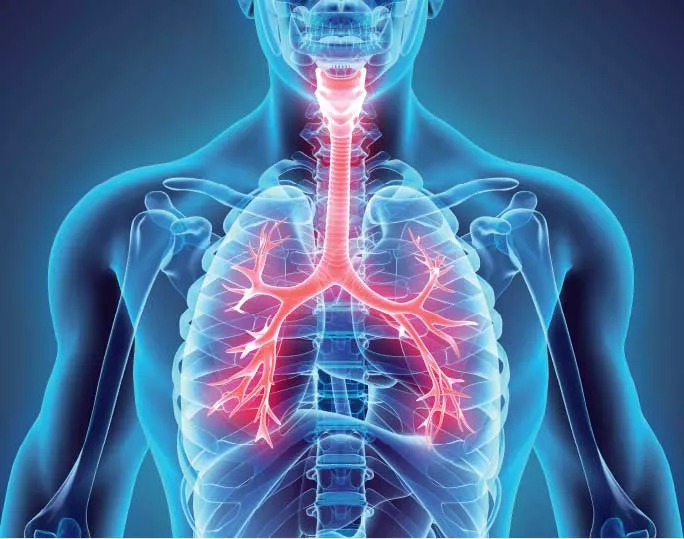
The IL-17A then acts on the lungs by activating the granulocyte-macrophage colony-stimulating factor (GM-CSF), which in turn activates alveolar macrophages through ERK (extracellular signal-regulated kinase) signaling pathway, that allows the neutralization of the pathogen by producing reactive oxygen species (ROS). The reason why this specific GM-CSF-ERK transduction pathway is used remains unclear.15
Sources
14 Models with simplified microbiota, or even carriers of a single bacterium (mono-associated animals) or carriers of partially-inactivated bacteria


