



When menstrual poverty threatens vaginal balance
In Kenya, menstrual poverty among sex workers appears to be associated with an imbalance in the vaginal microbiota and a higher presence of pathogenic bacteria. Reusable menstrual discs could help protect these women.
Healthcare professionals section
Find here your dedicated section
About this article
Among some women with high exposure to sexually transmitted infections (STIs), menstrual management can become a health issue, but also a matter of economic survival.
A study 1 conducted in Kenya highlights a little-documented phenomenon: the impact of menstrual poverty on the vaginal flora of sex workers.

When periods become an economic issue
In contexts of severe poverty, women do not have access to conventional menstrual products.
In Kenya, 42% of sex workers use makeshift solutions to continue seeing clients during their period. More than 9 out of 10 sex workers wipe the inside of their vagina with cloth, cotton or toilet paper between clients.
More fragile vaginal flora
In a large majority of these women, almost 2 out of 3, the vaginal microbiota is diverse, and therefore less protective compared with profiles in which lactobacilli dominate. It is associated with a higher risk of infections. Among the 407 women followed in this study:
- 24.7% had acquired HIV,
- 42.2% had bacterial vaginosis,
- and 21.9% had chlamydia, gonorrhea or trichomoniasis,
- only 20% had no infection.
In contrast, microbiota dominated largely by protective lactobacilli, especially Lactobacillus crispatus (CST-I), which were less common in these women, were associated with better vaginal health and fewer STIs or bacterial vaginosis.
30.7% HIV prevalence among sex workers was 30.7%, meaning a risk of HIV infection 11.6 times higher than in women in the general population. ¹
40% Among 1,640 female sex workers in Nairobi, Kenya, sex during menses was common, reported by 40%. ¹
72 72 million women worldwide must manage their menstruation without access to decent toilets. ²
Female anatomy, microbiotas and intimate hygiene
The role of menstrual products
Monitoring these sex workers shows that use of unsuitable menstrual products seems to go hand in hand with changes in the vaginal microbiota, and even dysbiosis.
However, these results should be interpreted with caution: many factors are interconnected, including financial hardship, number of clients and working conditions, and the differences fade when these biases are taken into account.
Nevertheless, these trends are drawing researchers’ attention. Especially as certain pathogenic bacteria associated with bacterial vaginosis, such as Prevotella bivia or Mobiluncus curtisii, are more common among users of inadequate menstrual products.
Solutions still being explored
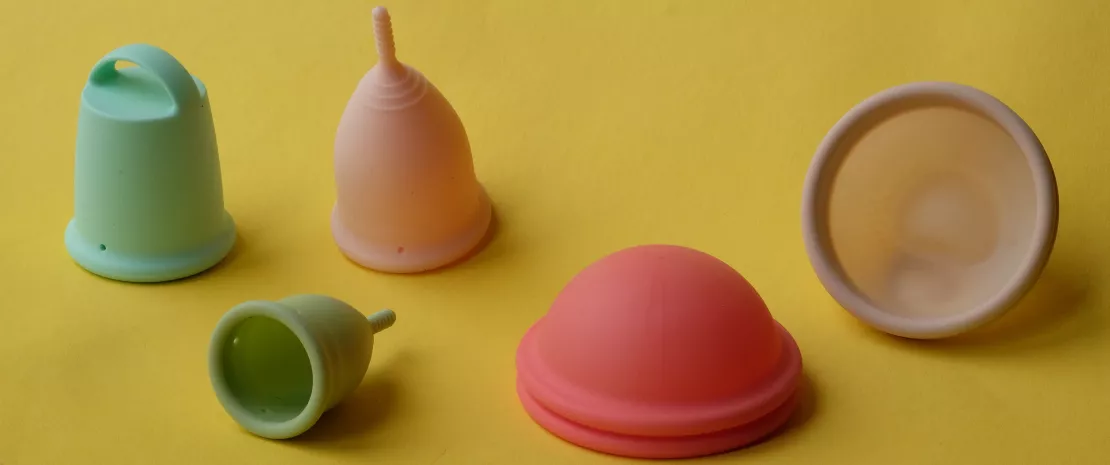
In response to these findings, researchers are exploring possible interventions. The idea is to improve access to suitable protection in order to improve vaginal health. Among the solutions being studied are flexible menstrual discs, which can be worn during sexual intercourse and used over the long term, for up to 10 years, which could reduce costs, limit certain risky practices and improve these women’s comfort and intimate hygiene.
See also


