
About the Institute
  • English
  • Français
  • Español
  • Portuguese
  • Polish

Breadcrumb

  1. Home
  2. Gastroenterology
  3. How the gut microbiome affects sleep quality
  • Our publications
    • News
    • HCP Magazine
    • Thematic pages
    • Thematic folders
    • Overviews - Microbiota Magazine
  • About the Institute
    • About us
    • International Microbiota Observatory
    • Press room
    • Partnerships
  • Congresses
    • Congress calendar
    • Congress reviews
  • Continuing Medical Education
    • Accrediting courses
  • Useful documents
    • How to talk about
    • Infographics
    • Diagnosis tools
    • Patients Stories
    • Experts' point of view

    Join the microbiota community

    • Facebook
    • Twitter
    • LinkedIn
    • YouTube
    • Instagram
    • Bluesky

Lay public section

Find here your dedicated section

Gastroenterology
Gynecology
Pediatrics
General Medicine

Breadcrumb

  1. Home
  2. Gastroenterology
  3. How the gut microbiome affects sleep quality
Gastroenterology

How the gut microbiome affects sleep quality

Sleep
Gastroenterology

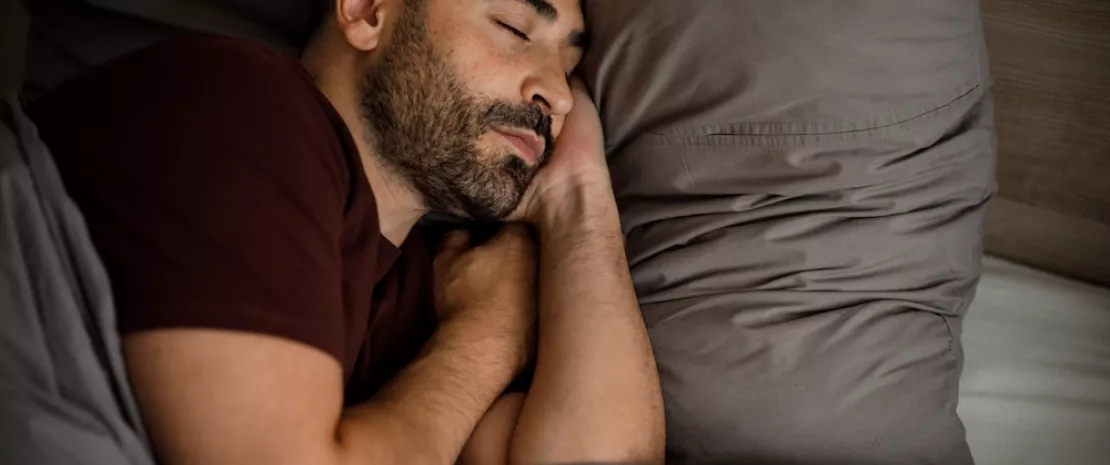
The gut microbiota and sleep interact with each other in both directions through metabolic, neural, and immune pathways. Does this open the door to new therapeutic strategies for sleep disorders?

Gastroenterology
Gynecology
Pediatrics
General Medicine
  • Our publications
    • News
    • HCP Magazine
    • Thematic pages
    • Thematic folders
    • Overviews - Microbiota Magazine
  • About the Institute
    • About us
    • International Microbiota Observatory
    • Press room
    • Partnerships
  • Congresses
    • Congress calendar
    • Congress reviews
  • Continuing Medical Education
    • Accrediting courses
  • Useful documents
    • How to talk about
    • Infographics
    • Diagnosis tools
    • Patients Stories
    • Experts' point of view

    Join the microbiota community

    • Facebook
    • Twitter
    • LinkedIn
    • YouTube
    • Instagram
    • Bluesky

Lay public section

Find here your dedicated section

Sources

This article is based on scientific information

Sharing is caring

Your colleagues might be interested in this topic. Why not share it?

  • Facebook
  • Twitter
  • LinkedIn
  • Mail

About this article

Created 25 March 2026
Updated 27 March 2026

What if there is a bidirectional relationship between sleep and the gut? To go beyond simple correlational studies1, this review delves into the literature on the microbiota-gut-brain axis and its role in sleep regulation to summarize the potential mechanisms linking the composition and function of the gut microbiota to sleep disorders.

18% The estimated prevalence of obstructive sleep apnea (OSA) in the adult population is 18%.

10% The estimated prevalence of insomnia in the adult population is 10%.

3% The estimated prevalence of restless legs syndrome (RLS) in the adult population is 3%.

Sleep Disorders and the Gut-Brain Axis

Different sleep disorders are associated with changes in the composition of the gut microbiota and its metabolites:

- Insomniacs show reduced microbial diversity, with (though results vary by study) a decrease in the abundance of certain bacteria (such as Ruminococcaceae) correlating with a decrease in their metabolites (fewer secondary bile acids, produced by bacteria from liver bile acids).

- There is also less diversity in patients suffering from obstructive sleep apnea, and (sidenote: Fecal Microbiota Transplantation (FMT) A therapeutic procedure to restore the gut microbiota by transferring fecal bacteria from a healthy donor to a recipient. Explore https://www.science.org/doi/10.1126/scitranslmed.abo2750 ) from individuals suffering from hypoxia can disrupt the sleep cycles of healthy animals.

- Night work and jet lag also cause significant changes in the microbiota, increasing intestinal permeability and inflammation. 

- Narcolepsy may be associated with an imbalance between immunosuppressive and immunostimulatory microorganisms.

- In the case of restless leg syndrome, the multiplication of bacteria in the small intestine may play a role.

Dysbiosis is also observed in sleep-related disorders: in major depressive disorders, the composition of the gut microbiota is associated with sleep quality; in Parkinson’s disease, (sidenote: Mendelian randomization An approach that exploits natural genetic variation to test causal relationships between a biological factor (e.g., cholesterol, vitamin D, BMI) and a disease (e.g., heart attack). Researchers use genetic variants associated with the biological factor of interest (e.g., patients with alleles that increase LDL cholesterol vs. patients without) to test whether there is a causal relationship between the biological factor (LDL cholesterol) and the disease (heart attack). The random distribution of alleles in the population reduces biases (confounding factors, etc.), mimicking some of the advantages of a randomized trial. ) studies suggest a causal link with gut bacteria; in Alzheimer’s disease, sleep disturbances are directly related to the accumulation of beta-amyloid protein, in parallel with changes in the bacterial flora that could be potential diagnostic and even therapeutic biomarkers.
 

0,03% The estimated prevalence of narcolepsy in the adult population is 0.03%.

>50% More than one in 2 people with dementia (including Alzheimer’s disease) suffer from insomnia.²

Two-way communication

The review also highlights three main bidirectional communication pathways through which the gut-brain-microbiota axis coordinates sleep:

- Metabolic and endocrine pathways: secondary bile acids and (sidenote: Short chain fatty acids (SCFA) Short chain fatty acids (SCFA) are a source of energy (fuel) for an individual’s cells. They interact with the immune system and are involved in communication between the intestine and the brain. Silva YP, Bernardi A, Frozza RL. The Role of Short-Chain Fatty Acids From Gut Microbiota in Gut-Brain Communication. Front Endocrinol (Lausanne). 2020;11:25. ) produced by bacteria affect sleep through systemic circulation. In addition, the microbiota produces or regulates key molecules of the wake-sleep cycle, such as GABA, serotonin, tryptophan and melatonin.

- Neural pathways: gut bacteria and their metabolites interact with the gut nervous system and cooperate with vagal nerve pathways, influencing brain areas and circuits related to sleep. In addition, the microbiota and its metabolites modulate the stress response and the corticosterone rhythm, influencing wakefulness-related hyperactivity.

- Immune pathways: Sleep deprivation triggers systemic and gut inflammation, weakening the gut barrier and affecting the central nervous system.

26.02.2024 Gut bacteria implicated in sleep apnea Read more

Did you know?

  • In high-income European countries, obstructive sleep apnea (OSA) is the most costly sleep disorder (€184 billion), followed by insomnia (€158 billion), restless legs syndrome (RLS) (€79 billion), narcolepsy (€905 million) and REM sleep behavior disorder (RBD) (€436 million). Direct and indirect costs account for 48% and 52% of the total, respectively, with no data available on informal care costs.3

  • Sleep disorders are very common in people with Parkinson’s disease, with up to 98% of patients experiencing them at some point. REM sleep behavior disorder (RBD) is seen in about 46% of patients with Parkinson’s disease.

  • Restless legs syndrome (RLS) affects 15-20% of patients with Parkinson’s disease, although early-onset RLS does not predispose to the later development of Parkinson’s disease. However, severe RLS may be an early warning sign of the disease. 

Modifying the Microbiome to Improve Sleep

Since traditional methods of treating sleep disorders often involve side effects, microbiome-targeted therapies represent promising strategies:

  • (sidenote: Probiotics Live microorganisms that, when administered in adequate amounts, confer a health benefit on the host. FAO/OMS, Joint Food and Agriculture Organization of the United Nations/ World Health Organization. Working Group. Report on drafting  guidelines for the evaluation of probiotics in food, 2002. Hill C, Guarner F, Reid G, et al. Expert consensus document. The International Scientific Association for Probiotics and Prebiotics consensus statement on the scope and appropriate use of the term probiotic. Nat Rev Gastroenterol Hepatol. 2014;11(8):506-514. ) can improve sleep by regulating neurochemical pathways and reducing stress hormone levels. Strains such as Lactobacillus and Bifidobacterium have shown clinical benefits in people suffering from insomnia and those who are stressed.
  • (sidenote: Prebiotics Prebiotics are specific indigestible dietary fibres which have effects that are favourable to health. They are used selectively by the beneficial micro-organisms in the microbiota of individuals. Specific products combining probiotics and prebiotics are known as symbiotics. Gibson GR, Hutkins R, Sanders ME, et al. Expert consensus document: The International Scientific Association for Probiotics and Prebiotics (ISAPP) consensus statement on the definition and scope of prebiotics. Nat Rev Gastroenterol Hepatol. 2017;14(8):491-502. Markowiak P, Śliżewska K. Effects of Probiotics, Prebiotics, and Synbiotics on Human Health. Nutrients. 2017;9(9):1021. ) and synbiotics (pre + probiotics) can improve subjective sleep ratings and increase deep sleep phases.
  • FMT offers promising remission rates for insomnia, especially in patients suffering from long-term COVID or fibromyalgia.
    Is science heading towards precision medicine in the field of sleep?

Is science heading towards precision medicine in the field of sleep?


The gut microbiota and sleep disorder: a therapeutic approach based on modulation of the microbiota?

Find out more!
Sources

1. Wang Z, Wu T, Li J, et al. Brain-gut-microbiota interactions in sleep disorders. Brain Medicine. 2025 Nov;1(6):31–52.

2. Singh H, Sankari A. Sleep and Neurodegenerative Disorders. 2024 Jul 2. In: StatPearls [Internet]. Treasure Island (FL): StatPearls Publishing; 2026 Jan–.

3. Bassetti CLA, Welter LS, Montes-Martinez M et al. Epidemiology and Economic Burden of Sleep Disorders in Europe. Eur J Neurol. 2026 Feb;33(2):e70463.

Tags
Sleep Gastrointestinal system Gut microbiota Microbiome Flora Gut-brain axis

    See also

    When an infant’s sleep hinges on a few bacteria
    Insomnia in seniors: a link with the gut microbiota
    Created 25 March 2026
    Updated 27 March 2026

    About this article

    To know more about this topic.

    Main topic

    Sleep

    Medical practice

    Gastroenterology

    Content type

    News
    Gastroenterology

    Antimicrobial resistance fresco: learn, play and act now

    The Antimicrobial resistance fresco is an interactive and educational experience that raises awareness abou...

    Find out more

    Resilience of healthy adult gut microbiota following antibiotic exposure

    Commented articles - Adults' section By Pr. Harry Sokol ...

    Find out more

    Probiotics: what exactly are we talking about?

    From the Latin pro and Greek bios meaning “for life”, the term “probiotic” was suggested over 60 years ago,...

    Find out more

    Association between fungal dysbiosis and environment

    The fungal portion of the gut microbiota (or mycobiota) has been much less studied than the bacterial porti...

    Find out more

    Your IBS Diagnosis Check List

    How many patients suffering from gut disorder do you see per week? How many are diagnosed with Irritable Bo...

    Find out more

    How do you choose a probiotic for your patient?

    Faced with a plethora of products on the market, it's not always easy for health professionals to suggest a...

    Find out more

    The Janus face of Antibiotics: Life Savers and Microbiota Disruptors

    A page turns: with the advent of antibiotics in the 20th century, this type of therapy, despite its undoubt...

    Find out more

    Fecal transplantation - ready for prime time?

    Congress review By Pr. Danny De Looze Department of Gastroenterology University Hospital Gent, Belgium ...

    Find out more

    Continue reading

    News
    Photo HCPs: AMR page for the 2025 WAAW campaign
    08.10.2025

    Everything you need to know about antibiotics and antimicrobial resistance

    Read the article
    17.03.2026

    A Gut Metabolite May Predict CAR-T Success

    Read the article
    12.03.2026

    Gut bacteria linked to liver cancer risk?

    Read the article
    03.03.2026

    Bacterial metabolites and immunotherapy effectiveness

    Read the article
    11.02.2026

    Sweeteners facilitate weight loss and are safe for microbiota

    Read the article
    28.01.2025

    How can I rebuild my gut microbiota after taking antibiotics?

    Read the article
    28.01.2025

    Does the microbiota play a role in the proper functioning of my immune system ?

    Read the article
    30.01.2025

    I have "gas", does my microbiota play a role?

    Read the article
    • Our publications
      • News
      • HCP Magazine
      • Thematic pages
      • Thematic folders
      • Overviews - Microbiota Magazine
    • About the Institute
      • About us
      • International Microbiota Observatory
      • Press room
      • Partnerships
    • Congresses
      • Congress calendar
      • Congress reviews
    • Continuing Medical Education
      • Accrediting courses
    • Useful documents
      • How to talk about
      • Infographics
      • Diagnosis tools
      • Patients Stories
      • Experts' point of view

      Join the microbiota community

      • Facebook
      • Twitter
      • LinkedIn
      • YouTube
      • Instagram
      • Bluesky

    Lay public section

    Find here your dedicated section
    Gastroenterology
    Gynecology
    Pediatrics
    General Medicine
    • English
    • Français
    • Español
    • Portuguese
    • Polish

    Browse the site

    • Our publications
      • News
      • HCP Magazine
      • Thematic pages
      • Thematic folders
      • Overviews - Microbiota Magazine
    • About the Institute
      • About us
      • International Microbiota Observatory
      • Press room
      • Partnerships
    • Congresses
      • Congress calendar
      • Congress reviews
    • Continuing Medical Education
      • Accrediting courses
    • Useful documents
      • How to talk about
      • Infographics
      • Diagnosis tools
      • Patients Stories
      • Experts' point of view

      Join the microbiota community

      • Facebook
      • Twitter
      • LinkedIn
      • YouTube
      • Instagram
      • Bluesky

    Lay public section

    Find here your dedicated section

    Discover

    Gastroenterology
    Gynecology
    Pediatrics
    General Medicine

    Join the microbiota community

    • Facebook
    • Twitter
    • LinkedIn
    • YouTube
    • Instagram
    • Bluesky

    Lay public section

    Find here your dedicated section

    Redirection

    You are about to be redirected and leave our website

    • Be redirected
    • Stay on the Biocodex Microbiota Institute's website

    Stay with us !

    Join the Microbiota Community of HCPs and researchers and receive “Microbiota Digest” and "HCP Magazine" to stay up to date on the latest news about microbiota.

    * Mandatory Fields

    BMI 20-35

    Explore

    25.03.2026

    Vitiligo: the gut microbiota at the heart of skin oxidative stress

    Read the article
    25.03.2026

    How the gut microbiome affects sleep quality

    Read the article
    17.03.2026

    A Gut Metabolite May Predict CAR-T Success

    Read the article

    Stay updated

    Join the Microbiota Community of HCPs and researchers and receive “Microbiota Digest” and "HCP Magazine" to stay up to date on the latest news about microbiota.

    * Mandatory Fields

    BMI 20-35

    • Our publications
      • News
      • HCP Magazine
      • Thematic pages
      • Thematic folders
      • Overviews - Microbiota Magazine
    • About the Institute
      • About us
      • International Microbiota Observatory
      • Press room
      • Partnerships
    • Congresses
      • Congress calendar
      • Congress reviews
    • Continuing Medical Education
      • Accrediting courses
    • Useful documents
      • How to talk about
      • Infographics
      • Diagnosis tools
      • Patients Stories
      • Experts' point of view

      Join the microbiota community

      • Facebook
      • Twitter
      • LinkedIn
      • YouTube
      • Instagram
      • Bluesky

    Lay public section

    Find here your dedicated section

    Discover

    Gastroenterology
    Gynecology
    Pediatrics
    General Medicine

    Lay public section

    Find here your dedicated section

    Join the microbiota community

    • Facebook
    • Twitter
    • LinkedIn
    • YouTube
    • Instagram
    • Bluesky

    © 2026 Biocodex. All rights reserved.

    • Legal notice
    • GTU
    • Data protection policy
    • Sitemap
    • Cookies settings
    • Digital accessibility : partially compliant
    Biocodex logo